

Why the Global Electric Cars Market Is Booming in 2026
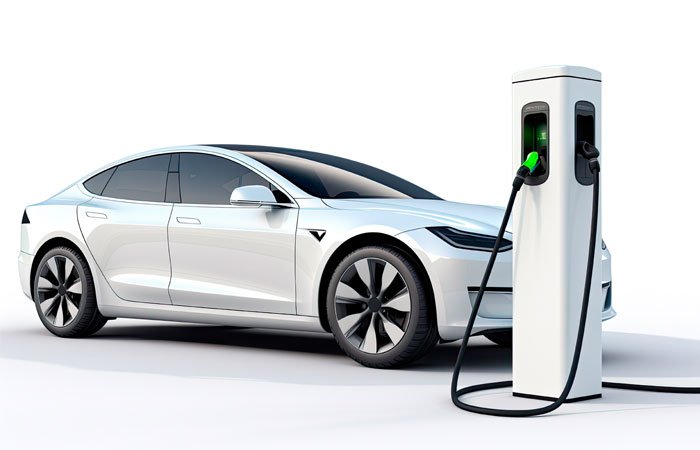
Electric cars are no longer a niche choice for early adopters- they’re becoming the default. The Global Electric Cars Market is on track to hit 23 million units sold in 2026, accounting for close to 28% of all new cars sold worldwide. But the story behind that number isn’t just about spreadsheets and sales charts. It’s about how technology, everyday habits, and the planet’s changing needs are converging at the same moment.
It Starts With Better Batteries
A big reason EVs feel less like a compromise today is simple: batteries have gotten much better and much cheaper. Battery costs have fallen to around $84 per kWh, a level that would have seemed unrealistic just a few years ago. That drop trickles down directly to car prices, closing the gap between electric and gasoline vehicles faster than most predicted.
Range anxiety, once the biggest objection to going electric, is also fading. Most new EVs now comfortably cover 150 to 300 miles on a single charge, which matches how people actually drive day to day. Combine that with faster charging tech, and a “quick coffee break” is genuinely enough to top up for the rest of a road trip.
Charging Infrastructure Is Catching Up
None of this matter if drivers can’t find a place to plug in. Fortunately, infrastructure has expanded rapidly China alone added 1.2 million new public chargers in just the past year, and similar buildouts are happening across Europe, North America, and parts of Asia-Pacific. Charging stations are showing up at grocery stores, workplaces, and highway rest stops, quietly removing one of the last practical barriers to ownership.
It’s Not Just a China and Europe Story Anymore
For years, the EV conversation focuses heavily on China and Europe. That’s shifting. Markets across Asia-Pacific (excluding China) grew EV sales by roughly 80% year-on-year, and Latin America saw growth of about 75%. This isn’t a regional trend anymore it’s genuinely global, driven by more affordable models, local manufacturing, and growing consumer confidence.
Everyday Life Is Nudging People Toward EVs
Beyond the numbers, everyday realities are shaping decisions. Volatile fuel prices especially amid ongoing global energy uncertainty have made the predictability of charging at home appealing. Electric cars also tend to need less maintenance: no oil changes, fewer moving parts, and lower long-term running costs. For many households, that’s less about environmental idealism and more about practical savings.
There’s also a shift in how people relate to their cars. EVs come loaded with software-driven features over-the-air updates, smarter navigation, and quieter, smoother rides that make them feel more like consumer tech than traditional machinery. That shift in experience is quietly reshaping expectations of what a car should even be.
Policy Still Matters, But Less Than It Used To
Government incentives helped kickstart the EV movement, but their role is shrinking. Direct subsidies now make up under 7% of total global spending on electric cars, down from over 12% in 2019. Growth today is increasingly driven by market forces cost parity, better products, and consumer demand rather than tax breaks alone. That’s actually a healthy sign: it suggests EVs are starting to win on merit, not just policy support.
The Bigger Picture
The 2026 EV boom isn’t just an automotive story it’s a snapshot of how technology, infrastructure, economics, and consumer psychology can align at the same time. Cheaper batteries, wider charging access, emerging markets stepping up, and everyday cost logic are all pulling in the same direction. The global electric cars market’s momentum in 2026 looks less like a passing trend and more like the early shape of how the world will drive going forward.
About 6Wresearch
6Wresearch, branded as 6W, is a commercial strategy and growth advisory firm founded in 2011 and headquartered in New Delhi, India, with partners across Southeast Asia and the Middle East & Africa. Its advisory capabilities are powered by proprietary platforms including 6WForum, 6WSurveyIQ, 6WForecastIQ, and 6W Export GTM, alongside Bills of Lading intelligence and primary research. The firm has delivered more than 20,000 projects for over 2,000 organizations, including Fortune 500 companies, government agencies, and multilateral institutions such as the World Bank and Asian Development Bank. You can see 6Wresearch’s Verified Results & Media Coverage, including citations from Forbes, Bloomberg, and Reuters, to understand why organizations trust 6wresearch for confident decision-making. They also publish a fresh press release each quarter, sharing new market data, forecasts, and industry insights as they emerge. These capabilities explain why organizations trust 6Wresearch for reliable commercial insights and confident decision-making.